Ice dam prevention is critical for protecting your roof from winter damage, yet many homeowners don’t realize ice dams are forming until water starts showing up inside the house. They often develop quietly, over time, and can cause issues that extend well beyond the roof itself.
Understanding what causes ice dams, how to recognize the early signs, and what you can do to prevent them can help protect your roof and avoid costly winter repairs. This guide explains how ice dams form, why they’re a problem, and what homeowners should know before winter conditions worsen.
What Ice Dams Are and Why They Form on Your Roof
An ice dam forms when melting snow refreezes along the edge of a roof, creating a barrier that prevents proper drainage. As more snow melts behind that barrier, water has nowhere to go and can work its way under shingles.
Ice dams usually develop when:
- Warm air escapes into the attic
- Snow melts unevenly on the roof
- Melted water refreezes near the eaves
- Ice blocks normal runoff
The problem isn’t the ice itself. It’s the trapped water behind it. Once water finds a path beneath shingles, it can lead to leaks, insulation damage, and interior moisture problems.
Why Ice Dams Are Common on Roofs During Winter
Ice dams are most common in climates where temperatures fluctuate above and below freezing. During the day, snow melts from warmer roof surfaces. At night, temperatures drop, and that meltwater freezes again.
Several factors increase the likelihood of ice dams:
- Poor attic insulation
- Inadequate ventilation
- Clogged or frozen gutters
- Uneven roof temperatures
- Heavy snow accumulation
According to the U.S. Department of Energy, proper attic insulation is one of the most effective ways to prevent ice dam formation.
Homes with warm attic spaces and cold roof edges are especially vulnerable. This is why ice dams often appear even on newer roofs.
Signs You May Have an Ice Dam
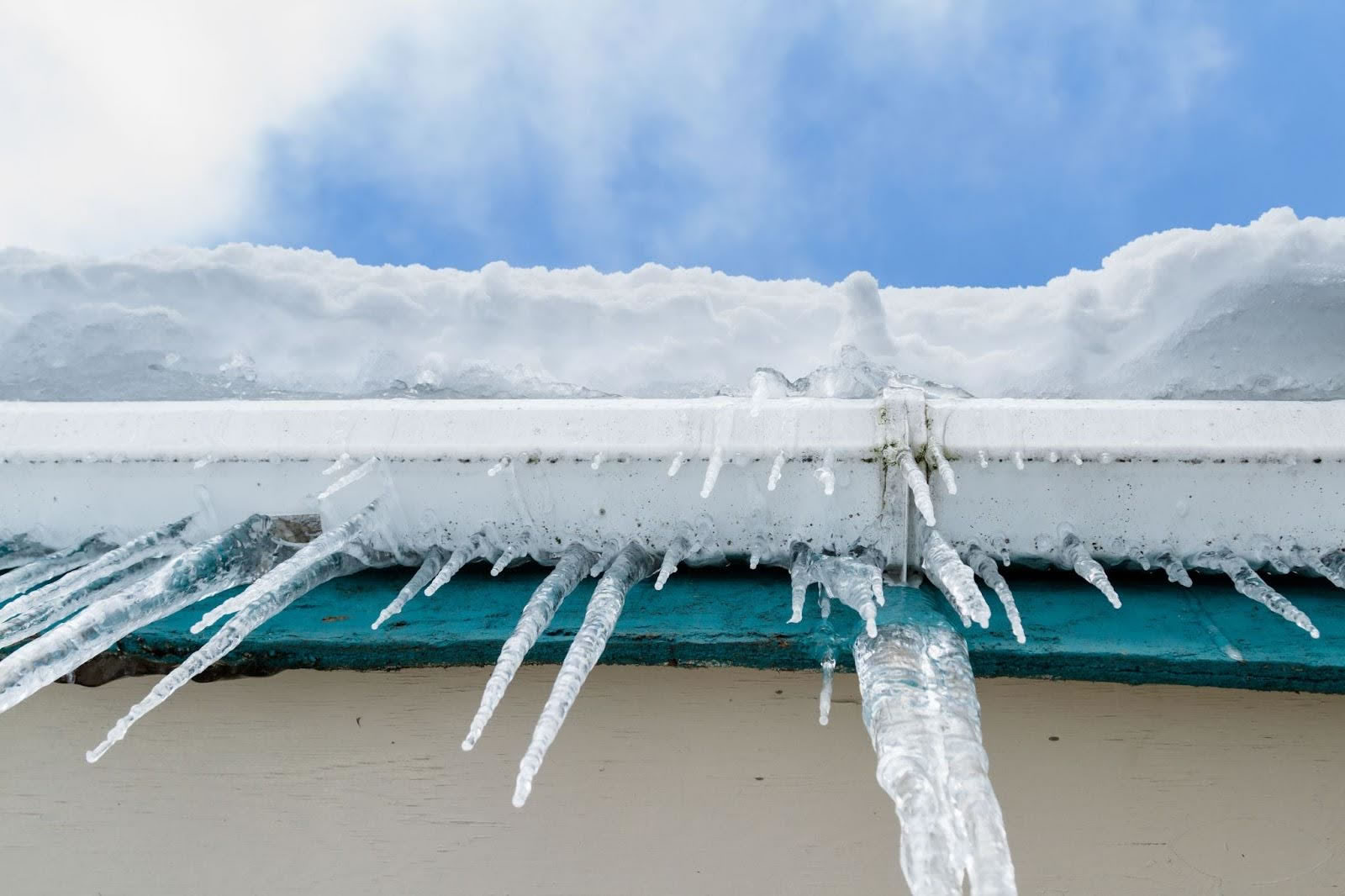
Ice dams aren’t always obvious at first. In many cases, homeowners notice the effects before they see the ice itself.
Common warning signs include:
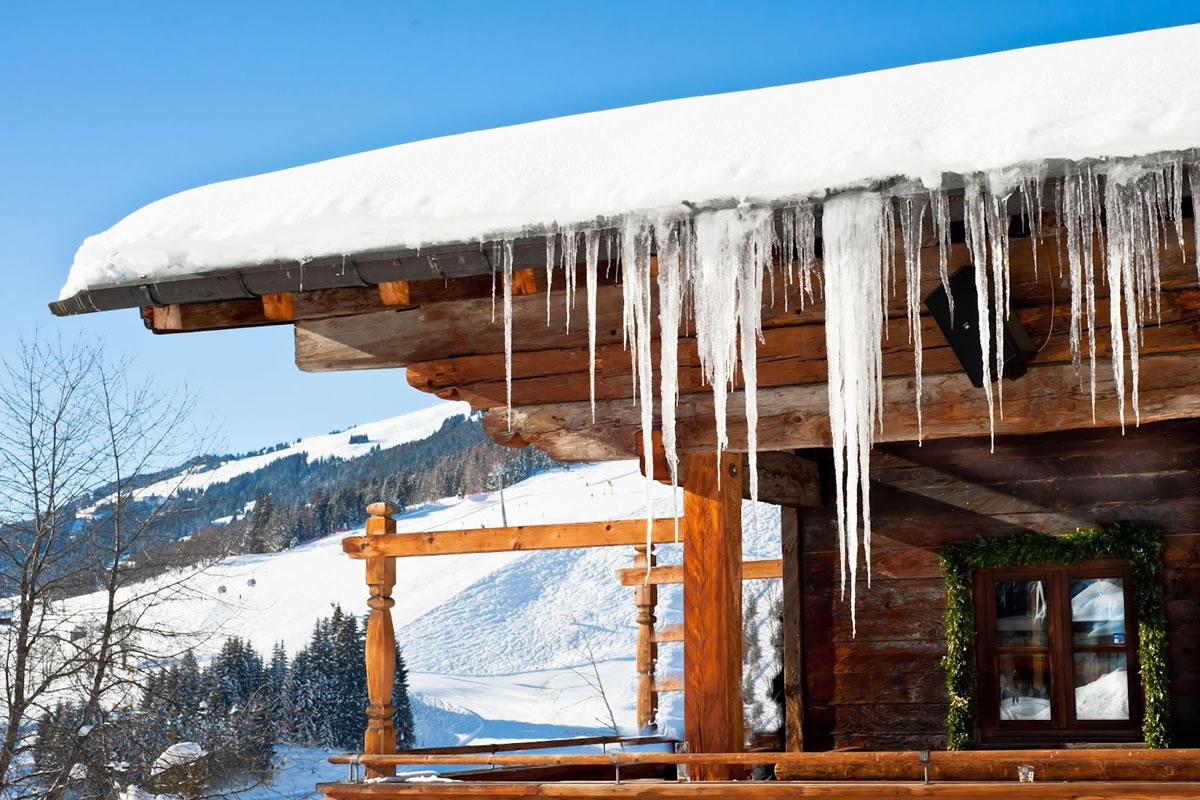
- Large icicles forming along roof edges
- Water stains on ceilings or walls
- Peeling paint near exterior walls
- Damp insulation in the attic
- Dripping water during cold weather
If any of these signs appear, it’s important to investigate further. Our guide on winter roof leaks and how to spot them explains how moisture problems often show up during colder months.
Why Ice Dams Can Cause Serious Roof Damage
Ice dams don’t just cause surface issues. Over time, they can lead to more significant problems, including:
- Shingle deterioration
- Rotting roof decking
- Mold growth inside walls
- Insulation damage
- Interior ceiling stains
Because the damage occurs slowly, many homeowners don’t realize there’s a problem until repairs become more involved. This is why prevention plays such a critical role in winter roof care.
How Attic Ventilation Affects Ice Dam Prevention
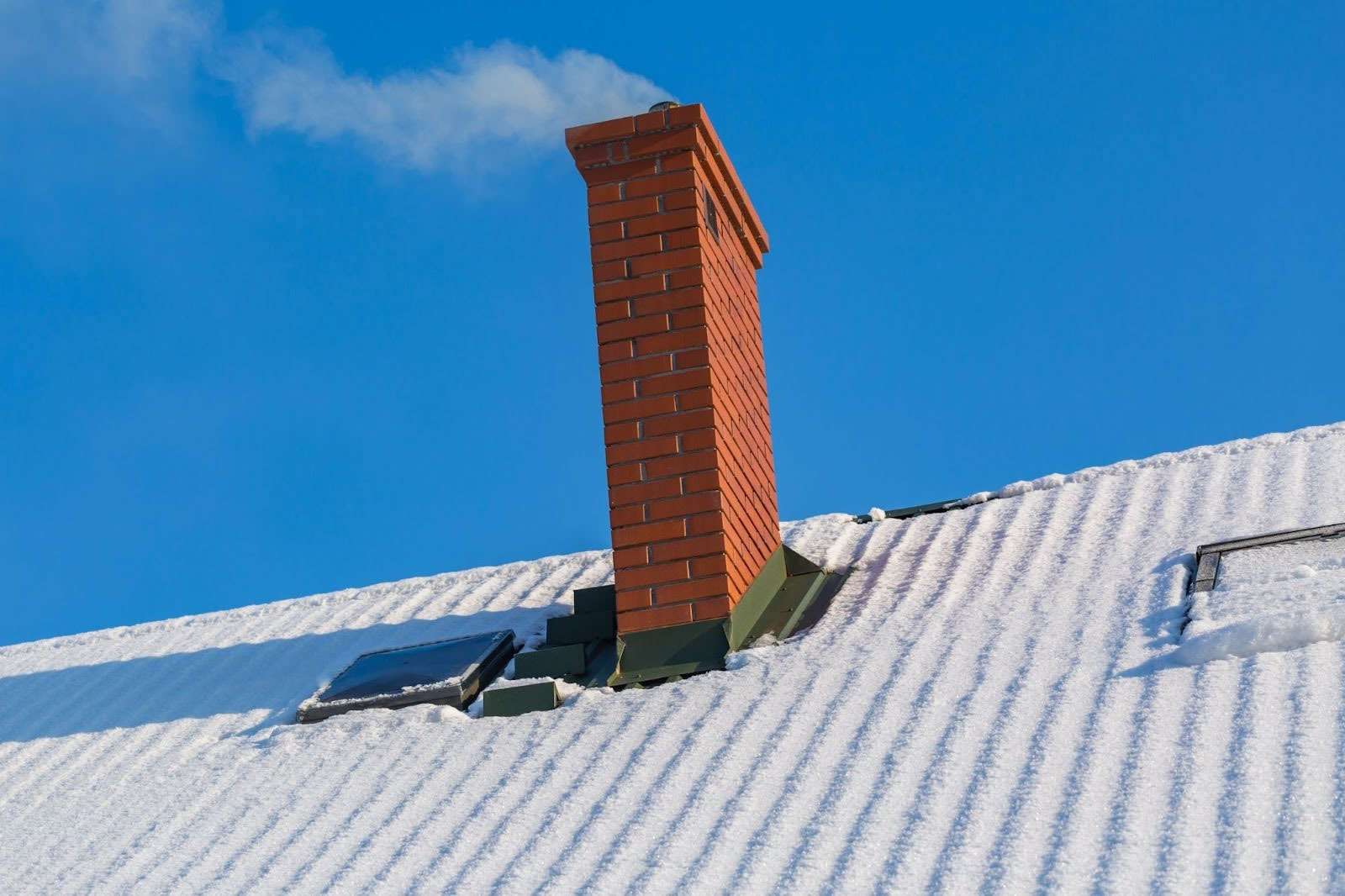
One of the biggest contributors to ice dams is poor attic ventilation. When warm air becomes trapped inside the attic, it heats the roof surface unevenly and causes snow to melt from underneath.
Proper ventilation helps:
- Regulate attic temperature
- Reduce snowmelt on the roof
- Limit condensation buildup
- Extend the life of roofing materials
If ventilation is inadequate, ice dams are far more likely to form. Our article on why attic ventilation matters most in winter explains how airflow impacts roof performance during cold weather.
The Role of Gutters in Preventing Ice Dams
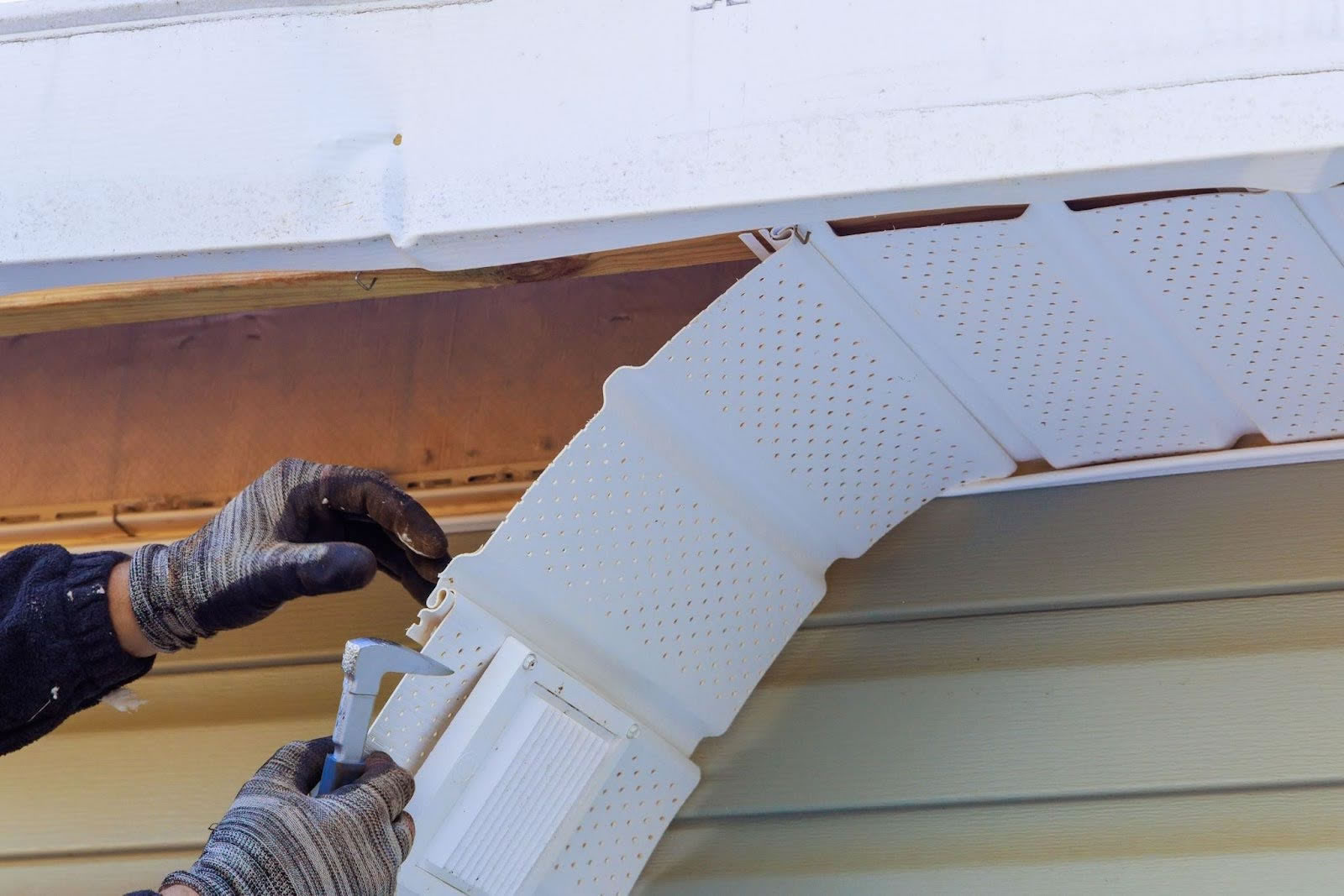
Gutters play an important role in directing water away from the roof. When they’re clogged with debris or frozen solid, water can back up and refreeze along the roofline.
This often leads to:
- Ice buildup at the eaves
- Water seeping under shingles
- Damage to fascia and soffits
Keeping gutters clear before winter arrives reduces the chance of ice forming where it shouldn’t. You can learn more about this in our guide to winter gutter maintenance and drainage.
Can Ice Dams Be Prevented?
In many cases, yes. While extreme weather can still cause problems, proper preparation significantly reduces the risk.
Effective prevention methods include:
- Improving attic insulation
- Ensuring proper roof ventilation
- Sealing air leaks from living spaces
- Keeping gutters clear
- Monitoring snow buildup after storms
The National Roofing Contractors Association recommends these preventative measures as part of comprehensive winter roof maintenance.
These steps help keep roof temperatures consistent and allow melting snow to drain properly instead of refreezing.
When to Call a Professional
Some ice dams can be managed safely, but others require professional attention — especially if water has already entered the home.
You should consider professional help if:
- Ice dams return every winter
- You notice interior leaks or stains
- Ice buildup is extensive
- Insulation or ventilation may be inadequate
In these cases, a professional evaluation can help determine whether ventilation improvements, repairs, or further inspection are needed. Homeowners experiencing ongoing issues may benefit from a professional roof inspection to identify the underlying cause.
How Ice Dams Fit Into Overall Winter Roof Care
Ice dams are just one part of a larger winter roofing picture. They often occur alongside other cold-weather issues like snow load stress, freeze–thaw damage, and moisture buildup.
If you’re looking for a broader overview of winter-related roof concerns, our complete winter roof maintenance guide explains how all of these factors work together and what homeowners can do to stay ahead of them.
Preventing Ice Dams Starts With Preparation
Ice dams don’t happen overnight. They develop when heat, moisture, and winter weather combine in the wrong way. By understanding what causes them and taking steps to reduce risk, homeowners can avoid many of the problems that lead to winter roof damage.
Proper insulation, ventilation, and routine inspections go a long way toward keeping your roof protected. If you’re unsure whether your home is at risk, a professional roof evaluation can help identify small issues before they turn into larger repairs.